Comparing mold remediation scopes of work requires examining containment methods, equipment usage, specific material removal details, and compliance with independent testing protocols. Because Florida law generally separates mold assessment from remediation on the same property, a thorough scope should follow an independent assessor’s protocol rather than an in-house checklist.
Understanding Florida’s Mold Remediation Regulations
In Florida, mold remediation is governed by strict state licensing standards designed to protect property owners. Under Florida Statute § 468.8419, a company that performs mold assessment generally cannot perform remediation on the same property within a 12-month period, and the reverse also applies, with limited exceptions. Ask the DBPR if you are unsure whether an exception applies. When reviewing any scope of work, your first step is verifying that the remediation estimate is built upon an independent protocol provided by a licensed Florida mold assessor (MRSA), executed by a separate licensed mold remediation contractor (MRSR).
Essential Components of a Detailed Scope of Work
When you receive proposals from multiple remediation contractors, line-by-line pricing can be difficult to interpret unless you know what structural and safety steps are required. A comprehensive, professional remediation scope should clearly define the following elements:
- Containment Engineering: The proposal should specify physical barriers, typically heavy polyethylene sheeting, used to isolate affected zones (such as attics, crawlspaces, or interior rooms) from unaffected living areas.
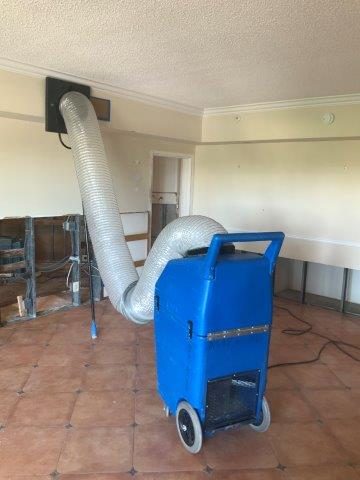
- Air Filtration and Pressure Control: Look for the deployment of HEPA-filtered air scrubbers and negative air machines. The scope should detail how clean exhaust is routed outside to prevent airborne spores from settling elsewhere in your home.
- Demolition and Material Removal: Porous materials like drywall, ceiling tiles, and fiberglass insulation cannot simply be wiped clean once colonized by mold. The scope should outline exactly what materials will be removed, bagged and disposed of safely.
- Physical Cleaning and HEPA Vacuuming: Semi-porous and non-porous structural elements (like roof trusses or block walls) require HEPA vacuuming followed by physical scrubbing or media blasting, rather than superficial fogging alone.
- Antimicrobial Treatment: Any EPA-registered antimicrobial or biocide products applied to inhibit future microbial activity on exposed structural framing should be explicitly noted.
Common Red Flags in Low-Cost Remediation Bids
Significantly lower estimates often leave out critical labor-intensive steps, leaving your property vulnerable to cross-contamination or failed post-remediation verification.
Surface-Only Fogging Without Removal
Some contractors quote a low price by proposing “whole-house fogging” or spraying chemical solutions onto mold-damaged building materials without removing wet or deteriorated substrate. Dead mold spores still carry allergens and toxins; industry standards such as the IICRC S520 call for removing or cleaning the contaminated material, not just treating it.
Missing Engineering Controls
If a scope does not mention critical containment barriers, zipper entry doors, or HEPA negative air machines, the contractor may inadvertently disperse millions of spores throughout your air conditioning system and ductwork during demolition.
Bundling Remediation and Clearance Testing
If a remediation contractor offers to conduct their own clearance test or includes post-remediation verification testing in their scope, this is generally not allowed under Florida’s assessor and remediator separation rules. An independent third-party assessor must inspect and perform post-remediation verification (PRV) testing before containment barriers are disassembled.
How to Select the Right Remediation Plan
To choose the best proposal, provide identical copies of your licensed mold assessor’s protocol to each remediation contractor. Ask each bidder to line-item their charges according to that protocol. This ensures an accurate comparison between equipment rental allowances, square footage rates for drywall removal, and estimated labor hours.
Frequently Asked Questions
Can a remediation company write its own mold protocol in Florida?
Generally no. Remediation contractors carry an MRSR license and execute remediation. An independent licensed mold assessor (MRSA) must inspect the property, determine the extent of moisture intrusion, and draft the remediation protocol.
What happens if a project fails the post-remediation clearance test?
A reputable remediation scope should include clear terms regarding failed clearances. If an independent post-remediation verification fails within the designated containment area, the remediation contractor should be expected to return and re-clean. Get in writing who pays for the re-clean and for repeat testing.
Why does attic remediation often cost more than living-area remediation?
Attics in Florida present unique physical challenges, including extreme heat, tight clearance between trusses, and complex roof decking surfaces. Specialized negative air routing and labor-intensive micro-cleaning around structural framing often result in higher equipment and labor allocations compared to flat interior walls.