Understanding Your Structural Drying Options After Water Damage
When water invades your home or business in Deerfield Beach, FL, the damage often goes far deeper than the puddles you can see. Walls, subfloors, insulation, and framing can absorb moisture quickly, and if that moisture isn't addressed properly, it leads to warping, mold growth, and long-term structural issues. Property owners facing this situation often wonder what their options really are. Should you rely on fans and dehumidifiers alone, or is professional structural drying necessary? At ASAP Restoration, we help residents and business owners throughout Deerfield Beach understand the difference between surface-level drying and true structural drying, so they can make informed decisions and protect their property for the long run. This article breaks down the key approaches to drying out a water-damaged structure and what sets each one apart.
Surface Drying vs. Structural Drying: What's the Difference?
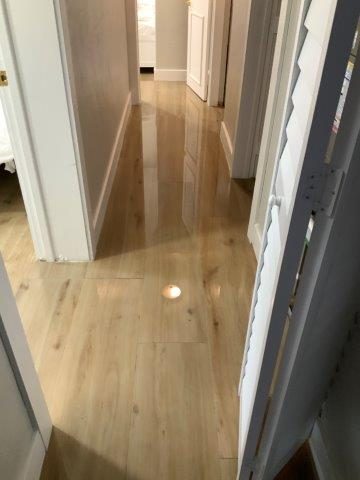
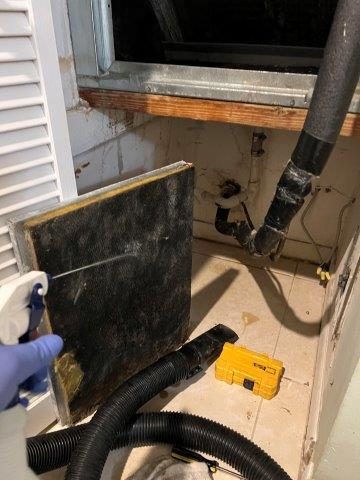
Many homeowners assume that once the visible water is gone and the floors feel dry, the job is done. Surface drying addresses what you can see and touch, standing water, damp carpet, or wet furniture. Structural drying goes much further. It targets the moisture trapped inside building materials like drywall, wood framing, concrete, and insulation, areas that look dry on the surface but can hold water for weeks. Without proper structural drying, that hidden moisture becomes a breeding ground for mold and can weaken the integrity of your property over time. Our team at ASAP Restoration uses moisture meters and thermal imaging to find and address moisture you can't see, not just the parts that are obvious.
DIY Drying Methods vs. Professional Equipment
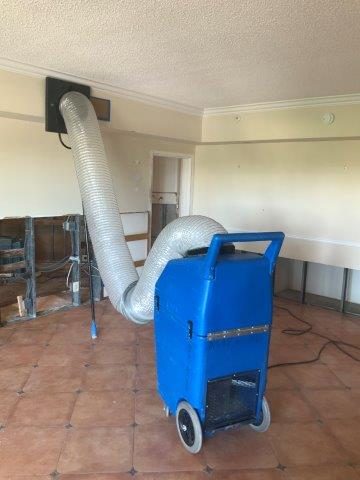
It's tempting to grab a few box fans and a store-bought dehumidifier and call it a day, especially if the water damage seems minor. For small, isolated spills, this might be enough. But for anything beyond a minor incident, consumer-grade equipment simply isn't built to pull moisture out of dense materials like drywall or subflooring at the rate needed to prevent secondary damage. Professional restoration teams use industrial air movers, commercial dehumidifiers, and specialized drying mats that work together to create controlled airflow and humidity levels throughout the affected space. At ASAP Restoration, we tailor our equipment setup to the specific layout and materials in your property, which means faster, more thorough results than DIY methods can typically achieve.
Choosing Between Spot Treatment and Whole-Area Drying
Another decision property owners face is whether to treat only the visibly affected area or to take a broader approach. Spot treatment might seem like the quicker, more affordable option, but water doesn't always stay where it started. It travels along baseboards, soaks into adjoining walls, and seeps under flooring into neighboring rooms. Whole-area drying accounts for this natural movement of moisture, addressing not just the obvious wet spot but the surrounding materials that may have absorbed water without showing visible signs yet. For homes and businesses in Deerfield Beach, FL, where humidity levels are already high for much of the year, this comprehensive approach is often the safer choice to prevent mold and lingering odors from developing later.
Why Local Conditions in Deerfield Beach Matter for Drying Decisions
Deerfield Beach's warm, humid climate plays a real role in how structural drying should be approached. High ambient humidity slows down natural evaporation, which means relying on open windows or passive airflow often isn't enough to dry a structure properly. Properties near the coast may also deal with higher moisture content in building materials to begin with, which can extend drying timelines if not managed correctly. Our team factors in these local conditions when developing a drying plan, adjusting equipment placement and monitoring schedules to account for the climate rather than applying a one-size-fits-all solution. This local knowledge is part of what helps property owners in the area avoid repeat issues down the road.
Making the Right Call for Your Property
Deciding how to dry out a water-damaged property isn't just about convenience, it's about protecting your investment and your peace of mind. While small, contained messes might be manageable on your own, anything involving saturated materials, large affected areas, or prolonged exposure to moisture calls for a more thorough, professional approach. ASAP Restoration is here to help Deerfield Beach home and business owners evaluate their situation honestly and choose the drying method that actually fits the damage, not just a quick fix that might leave hidden problems behind.
Frequently Asked Questions
How long does structural drying typically take?
Drying times vary depending on the extent of water intrusion, the materials affected, and humidity levels, but most structural drying projects take anywhere from three to seven days with proper equipment and monitoring. Our team checks moisture levels regularly to confirm when materials are truly dry, not just dry to the touch.
Can I just use fans and dehumidifiers from a hardware store?
For very minor, isolated spills, consumer equipment might help, but it often isn't powerful enough to dry out saturated drywall, subflooring, or framing. If water has soaked into building materials, professional-grade equipment is usually needed to prevent mold growth and long-term damage.
How do I know if my property needs whole-area drying instead of spot treatment?
If water has been sitting for more than a few hours, has traveled across flooring, or has reached walls and baseboards, it has likely spread beyond the visible wet area. A professional assessment can confirm how far moisture has traveled and whether a broader drying approach is needed.
Let ASAP Restoration Handle Your Structural Drying Needs
If your Deerfield Beach home or business has experienced water damage, don't leave hidden moisture to cause bigger problems later. Contact ASAP Restoration today for a prompt, professional assessment and a drying plan built around your property's specific needs.